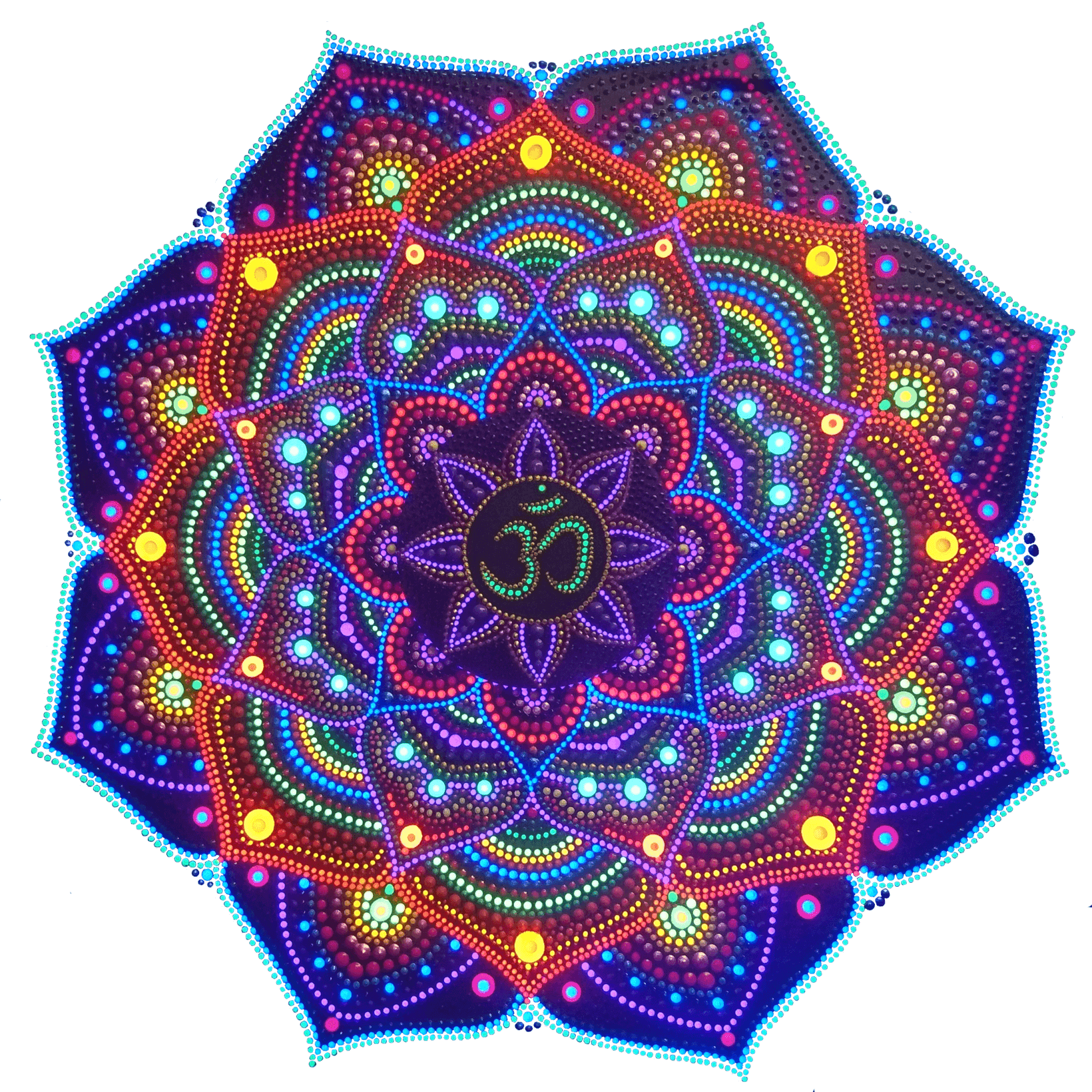
About Mandalas
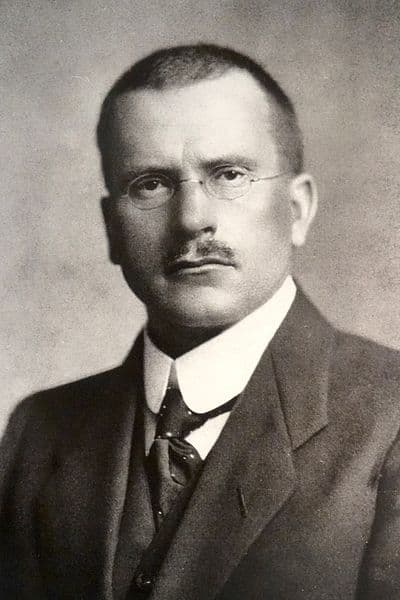
A Word to Jung
Carl Gustav Jung, the founder of analytical psychology, introduced modern psychology to the idea of the mandala. At around forty years of age, Jung left his university position because academic life had lost its novelty and interest for him. He devoted time daily to analyzing his inner life and kept a journal of dreams, thoughts, and drawings. Every morning in his journal, he sketched a circular drawing, simply following an inner impulse. Very soon Jung concluded that his drawings changed, reflecting the state of his psyche.
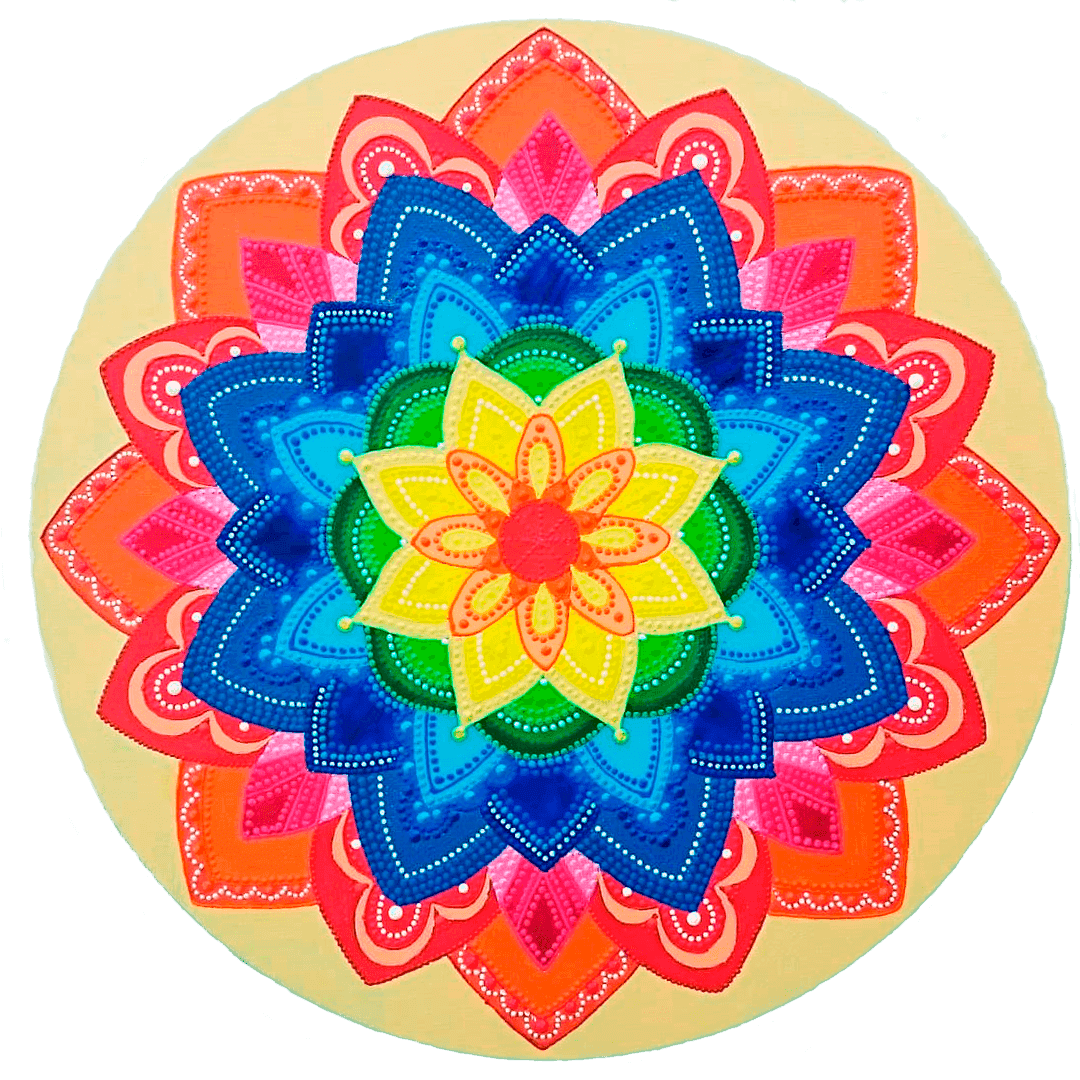
For example, on the day he received a letter from a close friend full of irritable words, the borders of the circle Jung drew the next day were broken.
In his autobiography 'Memories, Dreams, Reflections' he writes: 'Every morning I sketched a small circular drawing in my notebook, a mandala, which reflected my inner situation at that moment... only gradually did I discover what the mandala really is: ... the Self, the wholeness of the personality, which manifests when everything is in harmony.'
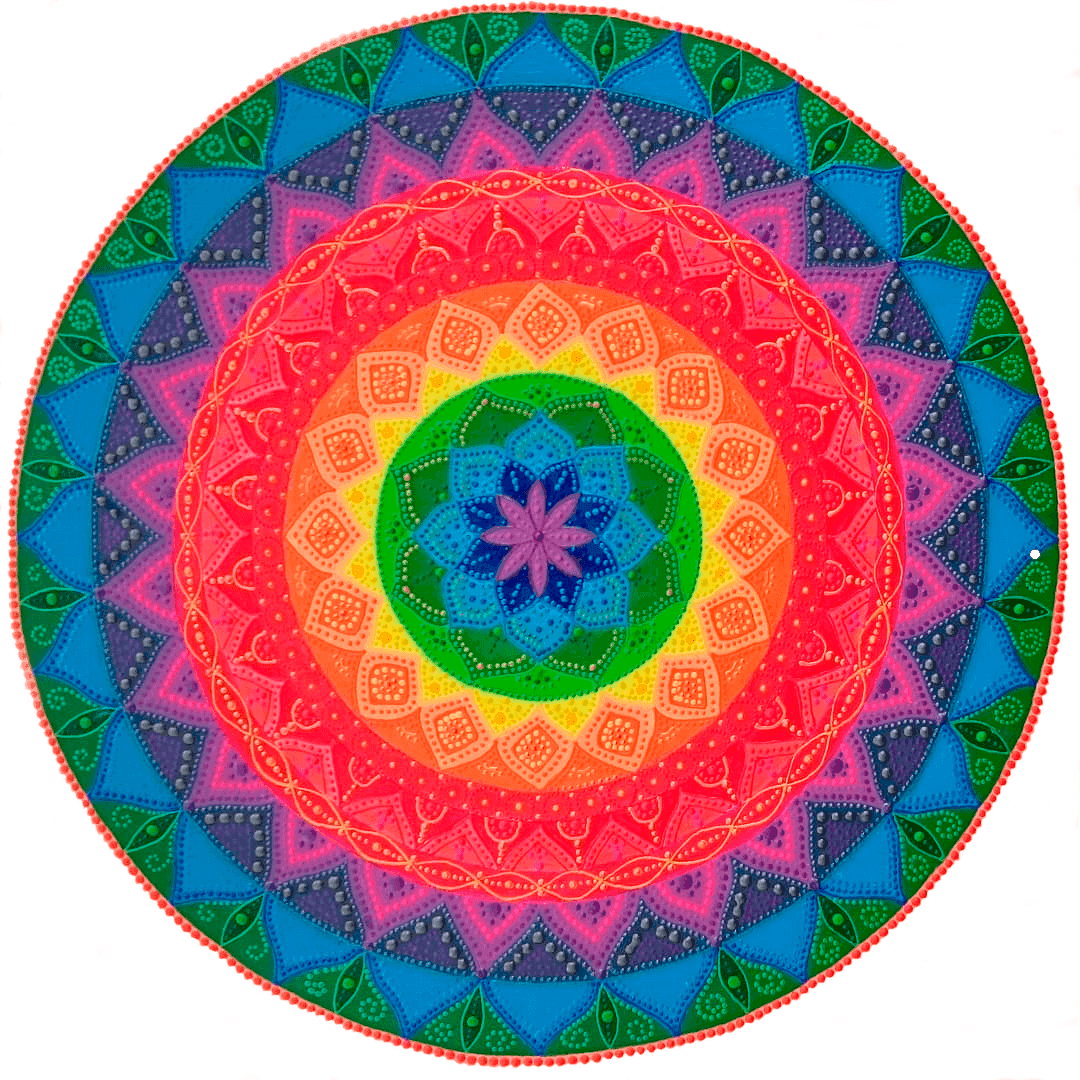
The word mandala in Sanskrit means 'circle, round, circular, disc, wheel, ring, sphere, ball, orbit, country, territory, region, society, totality, assembly.'
The mandala is a symbol of the Feminine, the Great Mother, the Virgin, Prima Materia, giving birth to all that exists: the Earth, humanity, matter, down to elementary particles and force fields, and the entire boundless Universe. In a general sense, the mandala is a universal symbolic model of the universe, human consciousness, and various life processes – it represents materialization, manifestation, the birth of life.
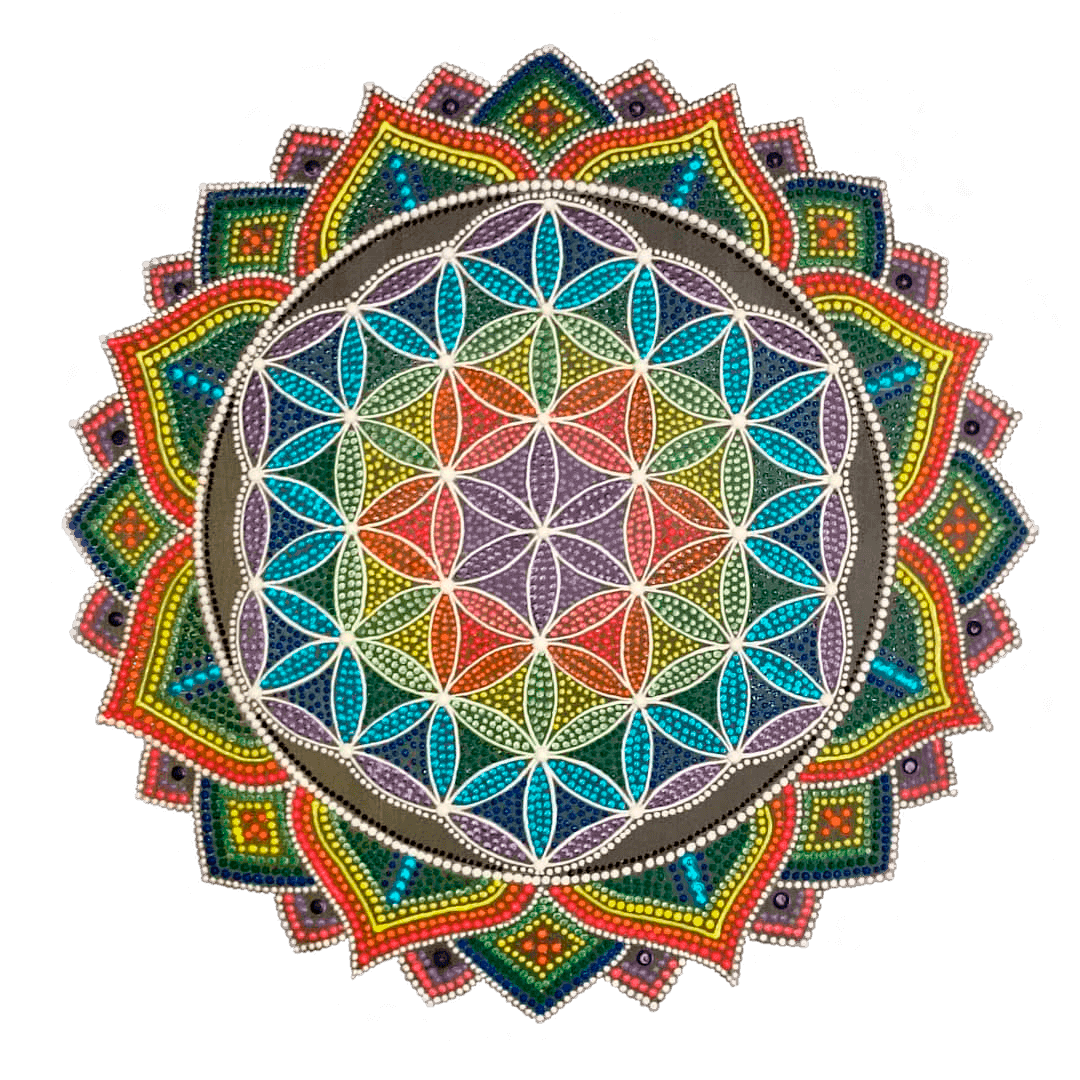
Carl Gustav Jung considered the mandala one of the most powerful archetypes, which is a visible projection of the psychic and expresses the Self. This archetype often appears in dreams. Jung wrote that 'the mandala symbol carries exactly this meaning: a sacred space (temenos) protecting the center. This symbol is one of the most important motifs in the objectification of unconscious images. It is one of the means of protecting the center of personality from external intrusions or attempts to expose it.'
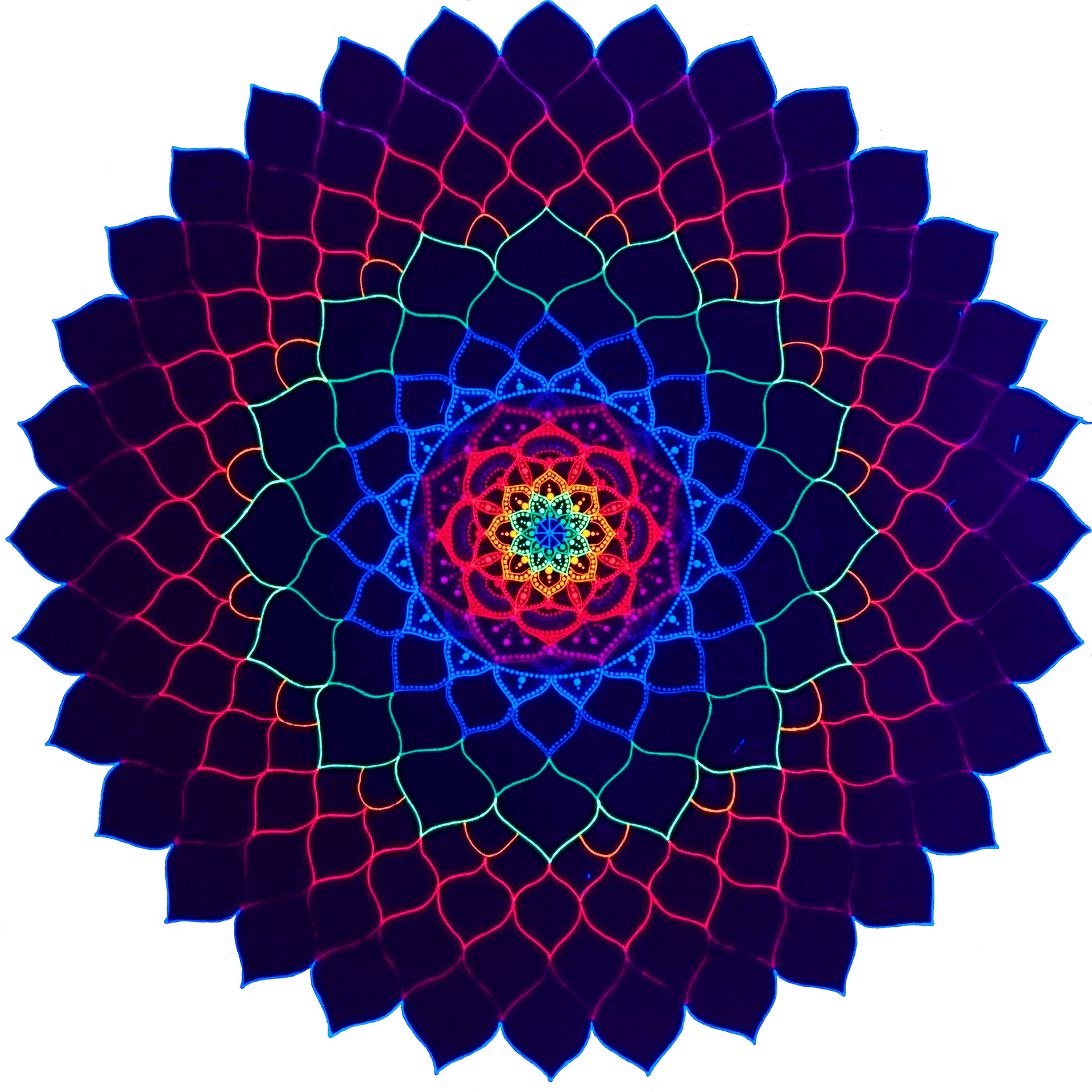
Jung argued that the idea of the mandala and its very form was developed not only by various cultures and religions but also by creatively gifted people, especially artists. This same mandala form was seen in the drawings of patients suffering from various forms of mental illness, who were tuning themselves to heal through developing a unified rhythm between human and nature. If we list how mandalas work with us, we get quite an impressive list.
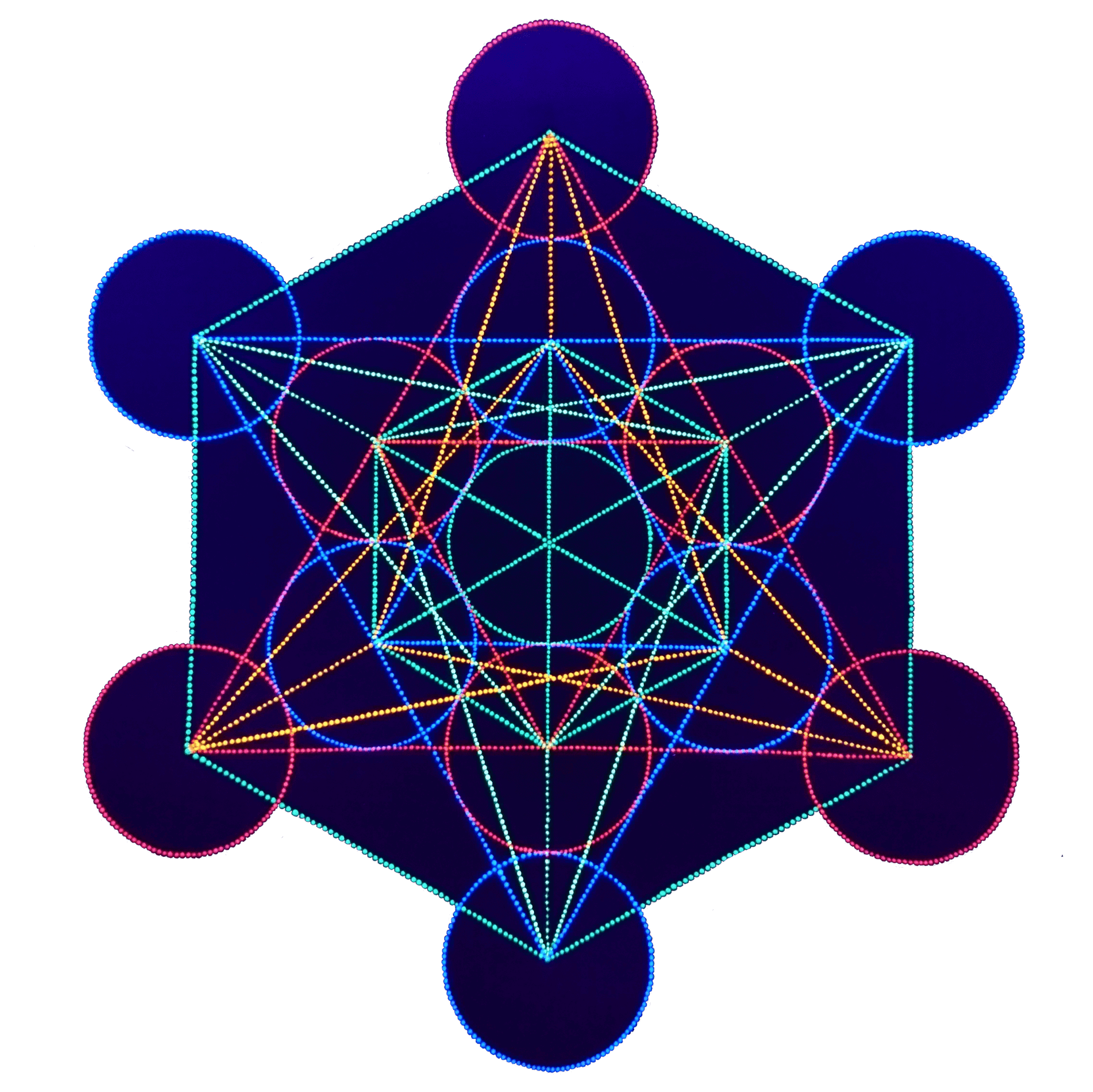
Mandalas bring various blocks to the surface of consciousness and help release them, strengthening our inner potential. They help find the causes of life's difficulties and develop consciousness. They harmonize and cleanse space, bringing the organs of the physical body and soul into harmonious resonance and attunement.

Mandalas also harmonize and integrate 3 levels: physical, mental, and emotional. They perfect the connections between the left and right hemispheres of the brain, teaching us to think with the heart and follow intuition.